Waterproofing Membranes Explained: Cementitious, Polyurethane and Liquid-Applied Systems
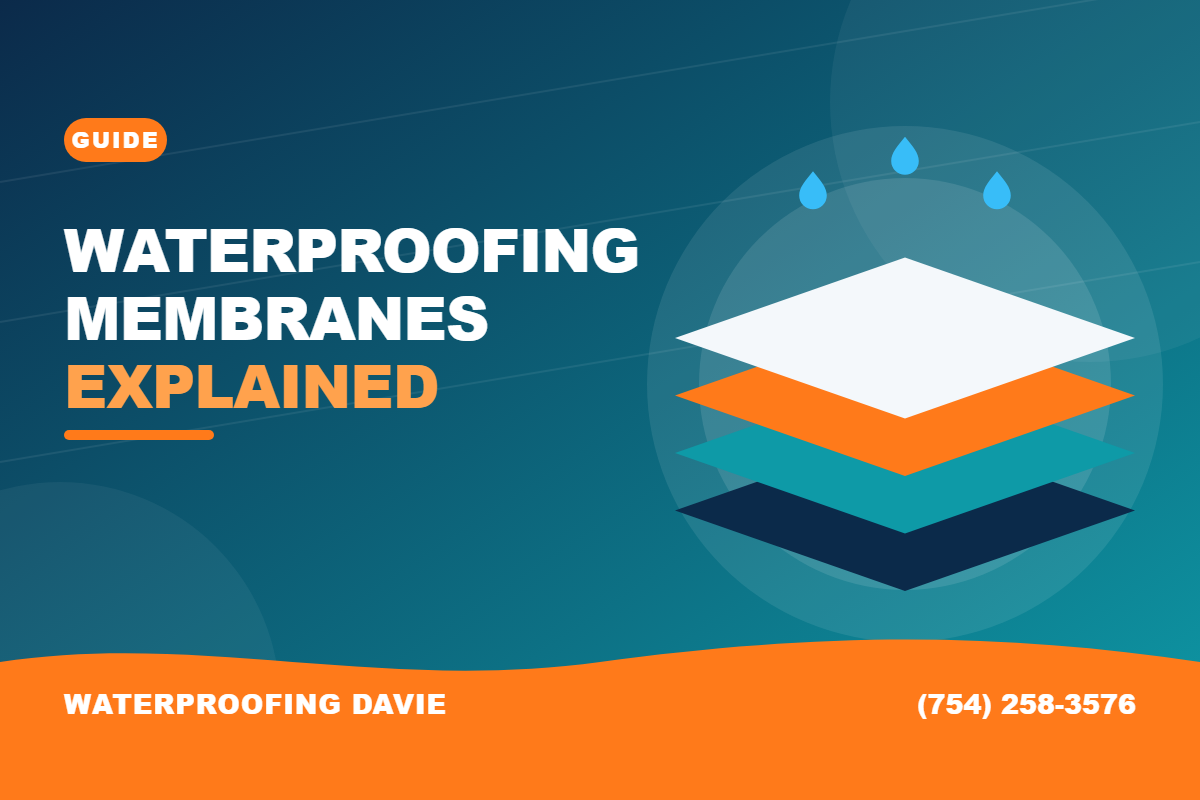
A waterproofing membrane is the barrier that actually keeps water out of a roof, deck, wall, shower or slab. Choosing the wrong one is the most common reason repairs fail, and the choices can feel overwhelming: sheet or liquid, cementitious or polyurethane, acrylic or silicone, crystalline or bituminous.
This guide sorts the main membrane types, shows where each performs best on Florida properties, and gives you a simple way to match a system to a surface. It is general information and cannot replace a contractor’s inspection, but it will make quotes easier to understand.
Quick Answer
Membranes fall into a few families. Sheet membranes are factory-made and consistent. Liquid-applied membranes (polyurethane, acrylic, silicone, bituminous) are seamless and detail well. Cementitious systems are rigid or semi-flexible and suit concrete and masonry, especially in wet rooms and below grade. Crystalline products work inside concrete. The right one depends on the substrate, movement, exposure, traffic and whether the surface must tolerate standing water.
In This Guide
- The Main Waterproofing Membranes: Families Compared
- Sheet Membranes
- Polyurethane Liquid Membranes
- Acrylic, Elastomeric and Silicone Coatings
- Cementitious Waterproofing
- Crystalline Waterproofing
- Bituminous Membranes
- Matching a Membrane to the Surface
- Sheet Membrane vs. Liquid-Applied Membrane for Wet Rooms
- Why Membranes Fail
- What to Ask Before You Hire
- Primers, Reinforcement and Topcoats
- Moisture, Temperature and Cure Times
- Testing and Documentation
- Frequently Asked Questions
The Main Waterproofing Membranes: Families Compared
| Type | How it works | Best for | Watch out for |
|---|---|---|---|
| Sheet membranes (modified bitumen, PVC, TPO, EPDM, self-adhered) | Factory-made rolls, seamed or adhered | Low-slope roofs, large flat areas | Seams, laps and detailing at corners |
| Polyurethane liquid membranes | Fluid cures into a seamless, flexible film | Decks, balconies, walkways, roofs | Needs dry surfaces and correct thickness |
| Acrylic or elastomeric coatings | Water-based, brushed or sprayed | Roof restoration, walls, light-duty surfaces | Not all tolerate ponding water |
| Silicone coatings | Flexible, UV-stable, water-resistant | Roofs with ponding concerns | Hard to recoat with other products |
| Bituminous liquid or sheet | Asphalt-based barrier | Flat roofs, planters, some below-grade | Heat softening, UV without protection |
| Cementitious waterproofing | Cement-based slurry, rigid or flexible | Concrete, masonry, wet rooms, tanks | Cracks if the substrate moves |
| Crystalline waterproofing | Reacts with moisture inside concrete | New or existing concrete structures | Does not bridge large cracks |
| Spray-applied polyurea or hybrid | Fast-curing sprayed layer | Large areas needing quick turnaround | Specialized equipment and applicators |
Sheet Membranes
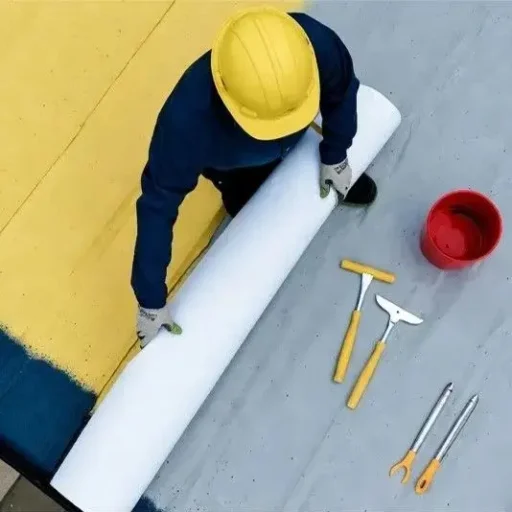
Sheet membranes are manufactured rolls that are adhered, heat-welded, torched or mechanically attached. Their thickness is controlled in the factory, which is a big advantage, and large flat areas can go down quickly. The weak points are seams, corners and penetrations, which need careful detailing and inspection. On small, complex shapes a liquid system is usually easier.
Polyurethane Liquid Membranes
Polyurethane membranes are among the most common choices for balconies, walkways, decks and roofs in South Florida. They cure into a seamless, elastic film that handles movement and small cracks, and they can accept a traffic-grade topcoat with aggregate for walking surfaces. They need a clean, dry substrate and the specified thickness. Our balcony waterproofing page describes how they are used on concrete balconies and stairs.
Acrylic, Elastomeric and Silicone Coatings
Acrylic and elastomeric coatings are water-based and widely used for roof restoration and exterior walls. They are comparatively easy to apply and repair, but not every product is rated for ponding water, and they depend on good adhesion to the old surface. Silicone coatings stand up well to standing water and UV but can be difficult to recoat with a different product later. Our flat roof coating page covers roof applications in more detail.
Cementitious Waterproofing
Cementitious waterproofing is a cement-based slurry or mortar applied to concrete or masonry. Rigid versions suit substrates that do not move, such as tanks, planters, below-grade walls and the base layers in showers. Flexible, polymer-modified versions tolerate some movement. They bond well to concrete and block and are a common choice for wet rooms, though they are not ideal over cracking or moving surfaces unless reinforced.
Crystalline Waterproofing
Crystalline products are applied to concrete or added to the mix. They react with water and cement inside the pores and form crystals that block water paths. They are useful for basements, tanks, and structural concrete where the concrete itself needs to resist water, but they do not bridge larger cracks and are not a roof or deck coating.
Bituminous Membranes
Bitumen-based membranes, in sheet or liquid form, have a long track record on flat roofs and planters. They are tough and multi-layered but darker and more sensitive to heat unless surfaced or coated. We compare them directly in our guide to bituminous vs. liquid waterproofing membranes.
Matching a Membrane to the Surface
- Concrete balcony or walkway: polyurethane with a traffic topcoat, with sealed cracks and edge details.
- Flat roof: sheet membrane, bituminous system or compatible coating, chosen with drainage and ponding in mind.
- Wood deck or wood substrate: a flexible membrane that handles movement, with attention to moisture trapped in the wood and to fasteners.
- Shower and wet room: sheet or liquid-applied membrane under tile, per the manufacturer’s tile-assembly instructions.
- Concrete walls and slabs: cementitious or crystalline treatment, plus crack repair and drainage.
- Stucco and block exterior walls: crack repair and a breathable elastomeric or waterproofing coating. See our exterior wall waterproofing page.
Sheet Membrane vs. Liquid-Applied Membrane for Wet Rooms
In bathrooms and showers, both sheet and liquid membranes are used under tile. Sheets give a consistent thickness and are quick over large flat areas; liquids are easier at corners, drains, niches and benches. Whichever is used, the manufacturer’s tile-assembly instructions for cure time, thickness and flood testing should be followed. We cover the details in our shower waterproofing guide.
Why Membranes Fail
- Poor surface preparation, such as dirt, oil, laitance or moisture.
- Wrong product for the substrate or exposure.
- Insufficient thickness or missed coats.
- Skipped primer or incompatible layers.
- Weak details at drains, corners, penetrations and terminations.
- Movement the membrane was not designed to handle.
- No drainage, so water ponds or sits against the membrane.
What to Ask Before You Hire
- Which membrane type and product are you proposing, and can I see the data sheet?
- Why is this membrane right for my substrate and exposure?
- What preparation, primer and thickness are included?
- How will cracks, joints, drains and edges be detailed?
- Who provides the warranty and what voids it?
Primers, Reinforcement and Topcoats
Membranes rarely work alone. A primer helps bond to concrete, wood or metal. Reinforcing fabric strengthens cracks, corners and joints. Topcoats add UV protection, color or traction. Ask the contractor to list every layer and the product used for each, because a failed primer or incompatible topcoat can cause the whole system to peel.
Moisture, Temperature and Cure Times
- Substrates must be dry enough for the product.
- Surface and air temperature limits apply.
- Rain too soon after application can wash out or blister coatings.
- Multi-coat systems need recoat windows.
- Traffic should be kept off until fully cured.
In Florida, afternoon storms make scheduling a real constraint; see Davie’s rainy season for timing advice.
Testing and Documentation
Good contractors document thickness, take photos at each stage and, where practical, perform flood or water tests before covering the membrane. Keep the data sheets, photos and warranty with your property records.
For help finding a contractor who can inspect your surface and recommend a system, you can find waterproofing contractors in Davie through our referral service. Independent contractors perform the work and provide written estimates and warranties.
Frequently Asked Questions
Get a Written Estimate From a Local Contractor
Call or text (754) 258-3576 with your address and a photo of the problem. We connect you with an independent contractor who inspects the property and gives you a written estimate before any work starts.
Waterproofing Davie is a local referral service. Independent contractors perform the work and provide their own estimates, licenses, insurance and warranties, so ask each one for those details in writing. This article is general information and does not replace an on-site inspection.