Why Do My Windows Leak When It Rains? Window Caulking and Sealing in Florida
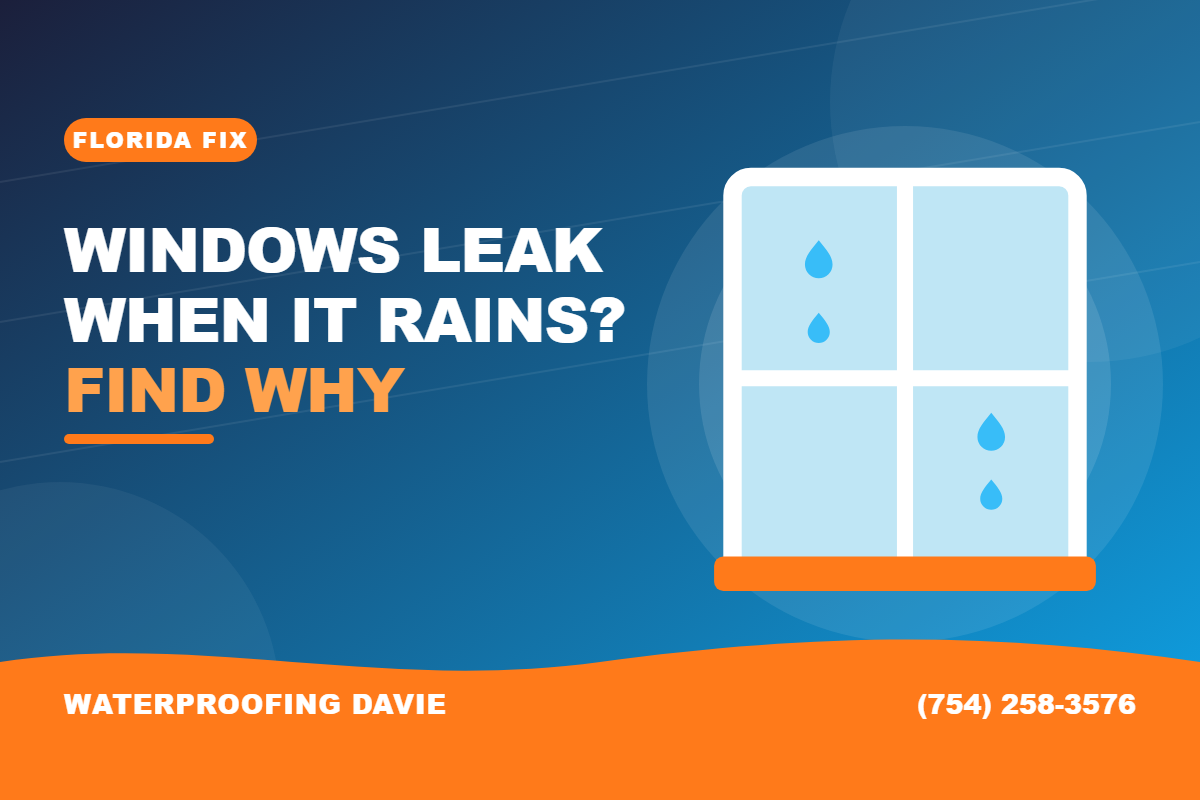
If your windows leak when it rains, you are not alone. Florida’s combination of heavy downpours, wind-driven rain and strong sun puts constant stress on window seals. A small gap that never mattered in a gentle shower can let in a surprising amount of water during a tropical storm.
The cause is not always the window itself. Water can enter through the sealant around the frame, the stucco or wall above, the flashing under the sill or the weep holes that are meant to drain the frame. This guide helps you work out which it is, and when a caulking repair is enough.
Quick Answer
Windows leak for a few common reasons: failed or missing caulk around the frame, cracks in the wall around the opening, damaged or missing flashing, clogged weep holes, worn seals and gaskets, or a failed window unit. Caulking fixes only the first cause, so the diagnosis comes first.
In This Guide
- Why Do My Windows Leak? How Water Gets Past a Window
- The Common Causes
- How to Test Where Water Is Entering
- When Window Caulking Is the Right Fix
- When Caulking Is Not Enough
- Doors, Thresholds and Garage Doors
- Windows and Storm Preparation
- Moisture After a Window Leak
- Choosing a Contractor
- Choosing the Right Sealant
- Sliding Doors, Impact Windows and Storm Shutters
- Preventive Maintenance Schedule
- Frequently Asked Questions
Why Do My Windows Leak? How Water Gets Past a Window
Windows are designed to shed water, not stop it completely. Water that reaches the frame should drain out through weep holes and sill slopes. Leaks happen when water is pushed into the wall by wind, when sealant fails, when flashing is missing or when drainage paths clog.
If a window is leaking now, our window and door caulking in Davie, FL page explains how we connect you with an independent contractor.
The Common Causes
| Cause | Signs | Typical fix |
|---|---|---|
| Cracked or missing exterior caulk | Visible gaps, stains below the frame | Remove old sealant, clean, re-caulk |
| Cracks in stucco near corners | Diagonal cracks from window corners | Crack repair and sealing |
| Failed flashing or sill pan | Leaks at the bottom corners and sill | Flashing repair, sometimes removal of the window |
| Clogged weep holes | Water pooling in the frame track | Clear weep holes and tracks |
| Worn gaskets and seals | Water at the sash or glazing | Replace seals or glazing gaskets |
| Failed window unit | Condensation, fogged glass, frame damage | Repair or replace the window |
| Wind-driven rain | Leaks only in storms | Reseal joints and check overall drainage |
How to Test Where Water Is Entering
- Wait for a dry day and inspect the exterior: look for gaps, cracked caulk and wall cracks.
- Look inside for staining, peeling paint, swollen trim or soft drywall at the sill and corners.
- Clear weep holes with a plastic or wooden probe and see whether the track drains.
- Use a garden hose in sections: wet the wall above the window first, then the sides, then the sill, while someone watches inside.
- Note which section produces the leak, and photograph it.
Do not use a pressure washer on window seals, and be careful with ladders.
When Window Caulking Is the Right Fix
If the exterior sealant has dried, cracked or pulled away, replacing it can solve the problem. A durable exterior-grade sealant applied to clean, dry joints after removing the old material is the standard approach. Our exterior wall waterproofing page and window and door caulking service address this work.
When Caulking Is Not Enough
- Water stains persist after re-caulking, which suggests the leak is behind the frame.
- Rot or soft framing around the opening.
- Diagonal cracks that continue to reopen.
- Fogged glass or damaged window components.
- Evidence that flashing was never installed.
In these cases a contractor may need to remove trim, check flashing and rebuild the opening. Wall cracks are discussed in stucco cracks in Florida.
Doors, Thresholds and Garage Doors
The same principles apply to doors. Check weatherstripping, thresholds and sealant at the sill, and garage door bottom seals. Water pooling at a slider track often means blocked drainage holes.
Windows and Storm Preparation
Failed sealant is one of the easiest things to fix before a storm. Include window and door inspection in your hurricane season waterproofing checklist.
Moisture After a Window Leak
Dry wet drywall and insulation quickly. If you smell mustiness or see growth, read signs of moisture and mold in a Davie home. Mold testing and removal require licensed mold professionals.
Choosing a Contractor
Choosing the Right Sealant
Exterior windows need a sealant designed for the materials and for movement, often a high-quality polyurethane or hybrid sealant, depending on the surfaces and the manufacturer. Cheap interior-grade caulk dries and cracks quickly in sun. Ask the contractor which sealant is used, whether it is paintable and how joints will be prepared.
Sliding Doors, Impact Windows and Storm Shutters
Impact windows and sliding doors have their own drainage paths, including weep holes and track slots. Keep them clear, avoid blocking them with sealant and check the exterior perimeter seal annually. Storm shutters do not replace sealed windows, so check both.
Preventive Maintenance Schedule
- Spring: inspect sealant and wall cracks, clear weep holes.
- Before storm season: verify seals on windows and doors.
- After heavy storms: check for new stains and damp trim.
- Annually: replace damaged sealant before it fails completely.
Ask whether the contractor will test to find the source and whether the work includes flashing and wall repairs. See 10 questions to ask a waterproofing contractor. For help, contact the Waterproofing Davie referral service at (754) 258-3576 to be matched with an independent contractor.
Frequently Asked Questions
Get a Written Estimate From a Local Contractor
Call or text (754) 258-3576 with your address and a photo of the problem. We connect you with an independent contractor who inspects the property and gives you a written estimate before any work starts.
Waterproofing Davie is a local referral service. Independent contractors perform the work and provide their own estimates, licenses, insurance and warranties, so ask each one for those details in writing. This article is general information and does not replace an on-site inspection.