Bituminous vs. Liquid Waterproofing Membrane: Which Is Better for Florida Roofs and Decks?
Bituminous waterproofing and liquid-applied membranes are the two systems Davie property owners hear about most when a flat roof, deck or balcony starts to leak. Both can keep water out. They behave very differently, though, once South Florida heat, UV light, afternoon downpours and tropical storms go to work on them. Here is how bituminous vs liquid membrane waterproofing compares in Florida.
This guide compares the two in plain English: how each is installed, where each tends to fail, what Florida weather does to them and how to decide. It is general information, so a contractor still needs to inspect your surface before recommending a system. For a wider look at how every membrane type works, read our guide to waterproofing membranes explained.
Quick Answer
Bitumen systems (modified bitumen sheets and cold-applied liquid bitumen) are tough, familiar and multi-layered, but they are dark, heavier and can soften in strong heat. Liquid-applied membranes (polyurethane, acrylic, silicone) are seamless, easy to detail around pipes and corners, and available in reflective colors, but results depend heavily on surface prep and applied thickness. The right choice depends on the surface, slope, ponding water, foot traffic and budget, not on which product name sounds better.
In This Guide
- What Is Bituminous Waterproofing?
- What Is a Liquid-Applied Waterproofing Membrane?
- Bituminous vs Liquid Membrane Waterproofing: Side by Side
- How Florida Weather Changes the Decision
- Where Each System Fits Best
- Mistakes That Make Either System Fail
- Questions to Ask Before You Choose
- Permits, Licensing and Warranties
- How to Decide: A Simple Framework
- Maintenance and Inspection: How Each System Ages
- Repairs and Recoating: Compatibility Matters
- A Practical Decision Checklist
- Frequently Asked Questions
What Is Bituminous Waterproofing?
Bitumen is an asphalt-based material that has been used to waterproof roofs for a very long time. Today it shows up in a few different forms, and people often use the words interchangeably, which causes confusion when comparing quotes.
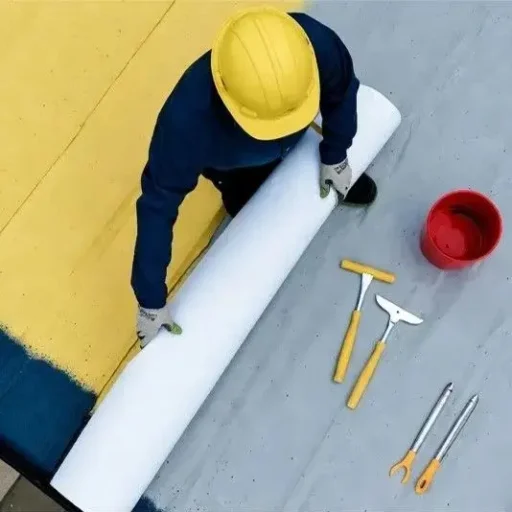
- Modified bitumen sheets: rolled membranes reinforced with polyester or fiberglass and blended with polymers, installed in one or more layers.
- Self-adhered bitumen sheets: peel-and-stick versions that avoid an open flame during installation.
- Cold-applied or liquid bitumen: brush-, roller- or spray-applied emulsions and coatings, used for small areas, details, some walls and some below-grade work.
- Built-up roofing: alternating layers of reinforcing felt and bitumen, common on older flat roofs.
When someone searches for a “bitumen membrane” or “bituminous membrane” they usually mean the sheet systems. “Liquid bitumen” and “bituminous liquid waterproofing” usually mean the coating forms. Always ask which one is being quoted, because the performance, lifespan and installation method are not the same.
What Is a Liquid-Applied Waterproofing Membrane?
A liquid-applied membrane starts out as a fluid and cures into a seamless, rubber-like film. It is applied over a primer in coats, often with reinforcing fabric embedded at joints, cracks and corners. Because it flows, it wraps around pipes, drains, curbs and irregular shapes without the cut-and-fit seams that sheet systems need.
Several chemistries are used in South Florida. Polyurethane membranes are flexible and common on decks, balconies and roofs. Acrylic or elastomeric coatings are water-based and popular for roof restoration and walls. Silicone coatings are known for tolerating standing water. Each has strengths and limits, so the data sheet for the specific product matters more than the category name.
Bituminous vs Liquid Membrane Waterproofing: Side by Side
| Factor | Bituminous (sheet or liquid) | Liquid-applied (polyurethane, acrylic, silicone) |
|---|---|---|
| Seams | Sheet laps must be sealed carefully; liquid bitumen has no seams | Seamless film when applied correctly |
| Heat and UV | Dark surface absorbs heat and usually needs a granulated cap sheet or reflective coating | Many products come in white or light reflective colors |
| Corners and penetrations | Pieces must be cut and fitted | Flows around pipes, drains and odd shapes |
| Installation | Torch, hot or self-adhered methods; torch work needs fire precautions | Rolled, brushed or sprayed in coats; no open flame |
| Weather window | Self-adhered sheets need clean, dry surfaces | Needs dry weather to cure between coats |
| Thickness control | Factory-made sheets have a known thickness | Thickness depends on how much the applicator puts down |
| Ponding water | Generally tolerant when properly installed | Varies by product; some tolerate standing water and some do not |
| Repairs | Patched with compatible sheet or mastic | Patched or recoated with the same system |
| Foot traffic | Needs a protective surface layer | Needs a traffic-grade topcoat or aggregate on decks |
How Florida Weather Changes the Decision
Heat and UV exposure
Roof and deck surfaces in Davie bake for most of the year. Dark bituminous surfaces absorb more heat, which can soften materials and raise indoor cooling loads unless they are surfaced or coated with something reflective. Liquid membranes in white or light colors reflect more sunlight, though some chemistries need a UV-stable topcoat to avoid chalking and breakdown.
Daily downpours in the wet season
The South Florida Water Management District notes that the wet season in central and south Florida typically runs from mid-May through October, when roughly 70 percent of the year’s rain falls. That matters because liquid systems need dry time to cure between coats. A crew that cannot schedule around afternoon storms may rush, and rushed coating is a common cause of early failure.
Wind and tropical storms
Sheet systems rely on adhesion and fastening at edges. Liquid systems rely on adhesion to the substrate. In both cases, perimeter flashing, edge metal and drain details are where storm wind and wind-driven rain do the most damage. A good bid describes these details instead of only the field of the roof.
Ponding water on flat roofs
Low-slope roofs that hold water after rain put constant stress on any membrane. Ask whether the product is rated for ponding water and whether drainage can be improved. Our guide to flat roof waterproofing for Davie homes explains why slope and drains are part of the waterproofing decision.
Where Each System Fits Best
- Low-slope and flat roofs: both are used. Modified bitumen is common where a multi-layer, traffic-tolerant roof is wanted; liquid coatings are popular for restoring an existing roof without a tear-off. See our flat roof coating service page.
- Concrete balconies and walkways: liquid polyurethane with a traffic coat is common because it handles movement, cracks and railing posts. See balcony waterproofing.
- Rooftop decks and terraces: either system can work under pavers or a wear surface, with drainage planned first. See rooftop deck waterproofing.
- Walls and parapets: liquid coatings and elastomeric systems are often easier to apply on vertical and detailed surfaces.
- Planters, small details and repairs: liquid products and cold-applied bitumen are convenient for small or irregular areas.
Mistakes That Make Either System Fail
- Skipping surface preparation. Dirt, algae, oil, loose paint and old coatings stop new membranes from bonding.
- Applying over trapped moisture. Wet concrete or insulation can blister a membrane from below.
- Using the wrong product for ponding water. Not every coating tolerates standing water.
- Applying too thin. Liquid membranes need the specified thickness, not just the specified color.
- Ignoring drains and flashing. Most leaks start at penetrations, edges and drains, not in the open field.
- Mixing incompatible products. A coating that does not bond to the old surface will peel.
- Rushing between rain showers. Coats applied too soon or too wet can fail.
Questions to Ask Before You Choose
- Which exact product and system are you proposing, and can I see the data sheet?
- What is the specified thickness, and how will it be checked on the roof?
- How will drains, penetrations, edges and cracks be detailed?
- Is the product suitable for ponding water on this roof?
- What surface preparation and primer are included?
- Who provides the warranty, and what does it cover and exclude?
- What is the plan if rain interrupts the job?
Get the data sheet in writing
Any reputable product has a technical data sheet listing coverage rates, cure times, temperature limits and substrates. A contractor who cannot or will not provide it is a warning sign, whichever system is proposed.
Permits, Licensing and Warranties
Roofing work in Florida generally requires a properly licensed contractor and often a permit, and the Florida Department of Business and Professional Regulation (DBPR) lets you look up a contractor’s license and status online before you sign. Ask for proof of general liability and workers’ compensation insurance too. Warranties come from the contractor, the manufacturer or both, so read what is covered, what voids it and whether it transfers if you sell the property.
How to Decide: A Simple Framework
- Identify the surface: roof, balcony, deck, wall or planter.
- Check the slope and whether water ponds after rain.
- Decide whether the surface will see foot traffic, furniture or pavers.
- Ask two or three independent contractors to explain their recommended system and why.
- Compare scopes line by line, not only price.
- Choose the system that fits the surface and the details, then insist on the data sheet and warranty in writing.
Maintenance and Inspection: How Each System Ages
Neither system is install-and-forget. Bituminous membranes should be checked for blistering, cracking at laps, granule loss on cap sheets and softening where heat and foot traffic combine. Liquid-applied membranes should be checked for thinning, chalking, pinholes, edge lifting and abrasion along walking paths. A twice-yearly inspection and a post-storm look at drains, flashing and seams catch most problems while they are still small.
Keep records of the system, the product data sheets and the installation date. When a leak appears, that paperwork tells the next contractor what they are repairing and whether a compatible patch is possible.
Repairs and Recoating: Compatibility Matters
Not every product can be applied over every other. Some liquid systems bond well to old bitumen after cleaning and priming; others do not. Silicone coatings can be difficult to recoat with anything but silicone. When you compare bids, ask whether the new layer is compatible with what is already on the roof or balcony and whether a bond test or small test area was done first.
A Practical Decision Checklist
- List the surface you are waterproofing: roof, balcony, planter, deck or wall.
- Note how much movement the surface has and how complex the shape is.
- Check whether the area must handle ponding water.
- Decide whether the surface will see foot traffic and needs a wearing topcoat.
- Ask each contractor why their system suits those conditions.
- Compare data sheets, warranties and detail drawings, not just product names.
If you are still weighing options, the guide to waterproofing vs. damp proofing explains why a true barrier matters, and our cost article explains what moves a quote.
If you want help finding someone to inspect your roof or deck, you can match with a Davie waterproofing contractor through our referral service. Independent contractors do the work and give you a written estimate after inspecting the property.
Frequently Asked Questions
Get a Written Estimate From a Local Contractor
Call or text (754) 258-3576 with your address and a photo of the problem. We connect you with an independent contractor who inspects the property and gives you a written estimate before any work starts.
Waterproofing Davie is a local referral service. Independent contractors perform the work and provide their own estimates, licenses, insurance and warranties, so ask each one for those details in writing. This article is general information and does not replace an on-site inspection.