Hurricane Season Waterproofing Checklist for Broward County Homeowners
Hurricane preparedness usually focuses on shutters, supplies and evacuation plans. Water intrusion gets less attention, yet in many Broward County storms the damage that follows is not the wind itself but rain driven through small openings: a worn window seal, a cracked stucco line, a clogged roof drain, a failed flashing detail.
The Atlantic hurricane season officially runs from June 1 through November 30, so there is a long window each year in which a heavy storm can arrive. This checklist walks you through the waterproofing side of preparation, in the order that makes sense: what to inspect months ahead, what to do in the days before a storm, and what to document afterward. It is general guidance, not a substitute for official emergency instructions from Broward County or the National Weather Service.
Quick Answer
Before hurricane season, inspect and repair roof flashing and drains, window and door sealant, exterior wall cracks, stucco and paint condition, yard and gutter drainage, and slab and garage door seals. In the days before a storm, clear drains, secure loose items and photograph the property. After the storm, document damage, dry wet materials quickly and call a licensed professional for roof, structural or electrical concerns.
In This Guide
- Why Water Intrusion Is Often the Bigger Problem
- The Pre-Season Inspection: Do This First
- Repairs Worth Doing Before the Season
- When a Storm Is Approaching
- After the Storm: Document, Dry, Repair
- Waterproofing and Insurance Are Different Things
- Hurricane Season Waterproofing Checklist: A Simple Annual Version
- Garage Doors, Thresholds and Low Entries
- Attics, Soffits and Vents
- Keeping a Storm File
- Frequently Asked Questions
Why Water Intrusion Is Often the Bigger Problem
Strong wind pushes rain horizontally and upward, so water reaches places that normal rainfall never touches. It forces itself under edge metal, behind loose flashing, through window frames and under door thresholds. Once inside a wall cavity or attic, it can stay hidden and cause damage long after the storm has passed. A property with sound sealants, intact coatings and clear drainage is far less likely to take on that water.
The Pre-Season Inspection: Do This First
Spring is the best time for a careful walk-around, before the heaviest rain and before contractor schedules fill up. Work from the top down and take dated photos of everything you find, which helps with both repairs and later insurance conversations.
Roof and flashing
- Look for lifted, cracked or missing shingles, tiles or membrane sections.
- Check flashing around chimneys, vents, skylights, walls and pipe penetrations for gaps or rust.
- Clear leaves and debris from gutters, scuppers and roof drains.
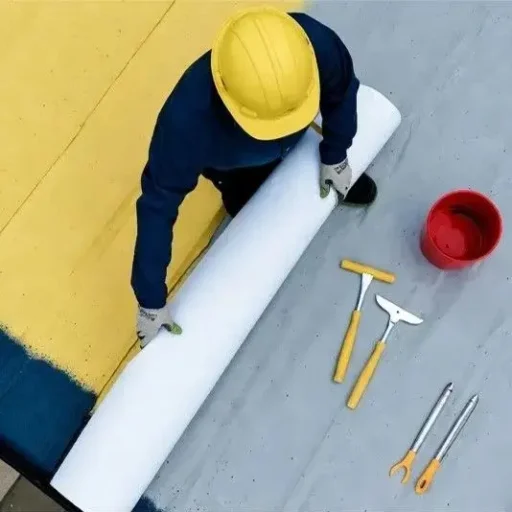
- On flat roofs, look for ponding water, blisters and open seams. Our guide to flat roof waterproofing in Davie explains what to look for.
Windows and doors
- Inspect caulk and sealant around frames for cracks, gaps or shrinkage.
- Check weatherstripping and thresholds at exterior doors.
- Look at the sills and interior corners for stains, soft drywall or bubbling paint that signal earlier leaks.
- Test garage door seals along the bottom edge.
Our article on why windows leak in Florida covers the causes in more detail.
Exterior walls, stucco and paint
- Look for hairline and wider cracks, especially at corners of windows and doors.
- Check for chalking, peeling or blistering paint.
- Note any areas that stay dark after rain.
- Tap suspected spots gently for hollow sounds that suggest delamination.
See stucco cracks in Florida: cosmetic or a path for water? to understand which cracks matter most.
Drainage and grading
- Make sure downspouts discharge well away from the foundation.
- Check that the soil slopes away from the house rather than toward it.
- Look for low spots where water collects after rain.
- Clear yard drains, swales and catch basins of leaves and debris.
If standing water is a recurring issue, read French drains and yard drainage in Davie.
Slabs, garages and low entries
- Seal visible cracks in garage and patio slabs.
- Check the floor-to-wall joint in garages and storage rooms for seepage marks.
- Look at stairwells, low entries and door thresholds where water can pool.
Repairs Worth Doing Before the Season
| Problem | Typical fix | Why it matters in a storm |
|---|---|---|
| Open or cracked sealant | Remove and replace with compatible exterior sealant | Wind-driven rain enters at joints |
| Hairline wall cracks | Clean, patch and coat with a flexible exterior system | Cracks become water paths |
| Failed flashing | Re-flash or reseal at walls, pipes and vents | Roof leaks start at transitions |
| Clogged drains and scuppers | Clear and secure strainers | Standing water adds weight and finds leaks |
| Worn exterior coating | Clean and recoat or repaint | Breached coatings let walls absorb water |
| Poor yard drainage | Regrade, extend downspouts, add drains | Saturated soil pushes water toward the foundation |
Related services include our exterior wall waterproofing and flat roof coating pages.
When a Storm Is Approaching
- Follow official county and National Weather Service instructions first, including evacuation orders.
- Clear gutters, scuppers, roof drains and yard drains again so water can leave quickly.
- Bring in or tie down loose items such as planters, furniture and trash cans that can become projectiles or block drains.
- Close and latch windows, doors and shutters.
- Place towels or sandbags at known low thresholds if instructed to do so by local authorities.
- Move valuables, documents and electronics away from floors and exterior walls.
- Photograph or video the interior and exterior to record the pre-storm condition.
After the Storm: Document, Dry, Repair
- Wait until it is safe, then walk the property and photograph all damage before moving anything.
- Report damage to your insurer according to your policy instructions.
- Remove standing water and begin drying wet materials quickly, because prolonged dampness encourages mold.
- Do not climb onto a damaged roof or touch electrical systems in wet areas; call licensed professionals.
- Place temporary covers over roof openings only if you can do it safely; keep receipts.
- Once the property is dry, schedule permanent repairs rather than leaving temporary patches in place.
If you notice musty smells or stains in the weeks after a storm, see our guide to signs of moisture and mold in a Davie home. If the problem is a leak that has appeared at the ceiling, start with how to find a roof leak in Davie.
Waterproofing and Insurance Are Different Things
Waterproofing reduces the chance that water enters your property. Insurance helps with financial loss when damage happens. They do different jobs, and neither replaces the other. Our comparison of flood insurance and waterproofing explains what each does and does not do.
Hurricane Season Waterproofing Checklist: A Simple Annual Version
- Spring: roof, flashing, sealant, coating and drain inspection.
- Before June 1: clear drains, trim trees, secure outdoor items.
- Mid-season: re-check drains and caulk after heavy rain.
- After any named storm: inspect roof, walls and openings and document findings.
- Before November 30: schedule repairs found during the season.
Garage Doors, Thresholds and Low Entries
Garage door seals, patio sliders and low entries are common storm water paths. Inspect weatherstripping, clean tracks and drains and check that thresholds are sealed. Where water enters at a low door, redirecting runoff and clearing yard drains often helps more than a patch.
Attics, Soffits and Vents
Wind can drive rain through soffit vents and gable vents into the attic. Check for loose vent covers, damaged screens and staining on rafters. Do not seal vents that are needed for ventilation; ask a roofing professional how to address leaks without blocking airflow.
Keeping a Storm File
- Dated photos of each side of the house and the roof.
- Receipts for repairs and materials.
- A list of contractors and their license numbers.
- Product data sheets and warranties.
- A written log of leaks and where they appeared.
If your checklist turns up repairs you would rather hand to a professional, you can reach the Waterproofing Davie referral service at (754) 258-3576. Independent contractors inspect and provide written estimates; scheduling tends to tighten once a storm is in the forecast, so earlier is easier.
Frequently Asked Questions
Get a Written Estimate From a Local Contractor
Call or text (754) 258-3576 with your address and a photo of the problem. We connect you with an independent contractor who inspects the property and gives you a written estimate before any work starts.
Waterproofing Davie is a local referral service. Independent contractors perform the work and provide their own estimates, licenses, insurance and warranties, so ask each one for those details in writing. This article is general information and does not replace an on-site inspection.